Showing posts with label bird control netting. Show all posts

Wednesday, July 10, 2013

Plastic Bird Netting for Effective Garden Bird Control

Your garden will be flourishing soon. All those fruits and vegetables that you’ve been nurturing for months will finally be bearing the benefits of your hard work. Unless, of course, you failed to implement an effective bird control strategy. In that event, your efforts may prove to be in vain. For surely as the sun rises, birds will feed off your ripening fruits and veggies this spring.

Adding insult to injury, pest birds will also cover your garden with droppings, which are not only unsightly but can carry any of 60 infectious diseases. Instead of a garden richly scented with ripening fruit, you’ll have a smelly garden covered with bird droppings.

What to do? Most people who nurture gardens are reluctant to use lethal means to get rid of birds. Many will use water hoses to “shoo” them away. Others will rattle pots, pans and noise makers. But these measures have proven largely ineffective in the long run. Birds simply return minutes after you go indoors. The only real solution is to implement professionally recommended bird control measures. Among the most effective for gardens is Garden Bird Netting.

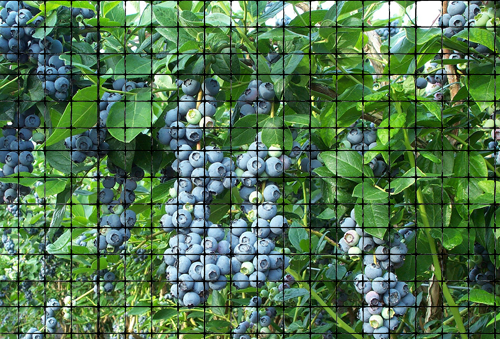
Lightweight and easy to handle, Garden Bird Netting will deny birds access to your fruits and vegetables. Ideal for fruit trees as well as garden plants, this netting will protect your blueberry bushes, grape vines and other plants from being attacked.  It's sold in 14 x 100-foot and 14 x 200-foot rolls, and you can easily cut it down to the size to need to protect specific plants or areas.  It’s also available in three different "mesh" sizes--1/4" mesh, 1/2" mesh and 3/4" mesh to protect your garden from a wide variety of pest birds. The netting is easy to install, and bird netting clips are available that make for effortless installation. The best Garden Bird Netting is made from a durable, UV-protected polypropylene. This netting is strong, light and virtually invisible.

Garden Bird Netting is also highly recommended to prevent birds from nesting. Birds who are in the process of nesting can be very territorial. They will return to previously established nesting sites and protect them. Plastic bird netting places your garden off limits so birds simply move on. You can install Garden Bird Netting temporarily if you have seasonal problem with birds, or you can install the netting permanently for year round protection.

Working effectively with Garden Bird Netting to achieve bird control are Visual Bird Deterrents. These include reflective foil and banner tape strung up on nearby trees, posts or fencing. By rattling in the breeze and reflecting sunlight, they create a distraction zone around your garden. Tear-drop shaped Bird Scare Diverters and Bird Scare Balloons accomplish the same result with their large, intimidating predator eyes bobbing in the wind. Visual distractors like these need simply to be moved around every so often to convince birds that they are an on-going threat.

Thursday, August 18, 2011

Deter Pest Birds with Bird Repellent Netting


Installing-bird-netting

by Alex A. Kecskes

Okay, you've tried noisemakers and BB guns, waving and shouting--and still the pest birds come. In bigger and bigger flocks. Pooping and nesting and doing all sorts of damage. It's costing you time and money. If only there was something you could do to keep them out of your area. Something humane, because you really don't want to hurt the little pests. You just want them to get discouraged and leave your property alone. They've caused you so much grief and expense that you're ready to open your window, stick out your head and yell, "I'm not going to take it anymore!"

You Need Bird Repellent Netting

Growers and farmers know first hand just how much damage pest birds can cause to cornfields, fruit orchards and vineyards. They've seen pest birds eat their prized blueberries and blackberries. They've watched helplessly as winged pests invaded their barns, stockyards and chicken coops. They're also painfully aware that bird droppings, bird nests and the mites birds carry pose a serious health hazard, since birds have been known to carry any of 60 known diseases. In fact, most people who have been on the receiving end of pest birds know that sparrows and feral pigeons can carry bacteria causing Salmonellosis. Feral Pigeons have been known to carry Ornithosis, a serious disease that resembles viral pneumonia. Clearly, it's time for a pest bird deterrent that works. The solution? Bird repellent netting.

Wednesday, May 4, 2011

Bird Netting for Warehouses, Hangars and Large commercial Applications


Bird-netting-hangar
by Alex A. Kecskes

Pest birds can be both a hazard and an expensive nuisance when they nest and gather in  hangars, under overhangs, warehouses and other large covered areas. But thanks to bird netting, many of these problems can be avoided.

Clearly the most obvious problem created by pest birds is their droppings. These can quickly clog gutters and down pipes. They can also cause ceilings, rooftop turbine ventilators, siding windows and doors to seize up. And they can rapidly deteriorate corrugated metal surfaces, block light sensors and security cameras. Left unchecked, these bird by-products can lead to structural damage and huge repair costs. Equally problematic, bird droppings deposited on entrances and fire escapes can create slip-and-fall hazards for maintenance crews, which can become a huge legal liability to public and private enterprises. Bird netting can solve these problems by keeping pest birds out using a proven humane method.

Without bird netting, one would also have to contend with the incessant and irritating noise pest birds produce when they gather in sizeable numbers. And they do tend to gather in large commercial areas. In warehouses, for example, bird droppings can spoil finished products in loading bays and storage areas. They can severely stain and damage goods, and mar the appearance of costly finished goods and metal panels.

Monday, April 25, 2011

Excluding Pest birds with Bird Netting

Birdnettingbuildings

Birds can be considered a pest when they decide to roost or nest in areas where their feces and debris can be considered a hazard.  Each year building owners and homeowners spend countless hours and money cleaning up after and repairing the damage caused by pest birds. Not only are these problems unsightly; pest birds and their feces can spread 60 plus transmittable diseases. Safety, sanitation and health hazards caused by bird droppings can pose serious liability risks, and left untreated, can lead to accidents and lawsuits. Bird feces, bird nests and debris can also create a bad public image with tenants and patrons. Individuals, companies and government agencies are tired of cleaning up bird feces or repairing the damage that is caused by pest birds and their droppings. Instead they have decided to invest in a Bird Control Solution, which is often as simple as installing bird netting.

Bird netting is used to exclude pest birds from areas such as rooftops, warehouses, airline hangars, overhangs, eaves of homes and other enclosed areas that pest birds are to be kept out of.  Netting will provide 100% exclusion of pest birds and is a long-term bird control solution.  Bird netting comes in several different mesh sizes ranging from ¾” mesh for use with all types of birds, to 2” mesh to use when larger birds like pest pigeons and seagulls are a problem.  Netting comes in several colors as well; white, stone and black.  Black bird netting is usually preferred because of its natural U.V. protection and lack of discoloration due to dirt and dust.  When installed properly, the netting will be virtually invisible, not interfering with the architectural features of a building.

Choosing the right bird netting:

There are several types of bird netting available.  There is knotted polyethylene netting that is considered long lasting and heavy duty.  You would use this type of netting where you want a permanent solution to your bird control issues.  Heavy-duty bird netting is usually manufactured using U.V. treated twine providing long life.  Strength of these nets can be greater than 40 lbs. burst.  The nets will also have a high melting point and flame resistant.  Heavy-duty bird netting is ideal for use in warehouses, airplane hangars, canopies, overhangs and other large areas where pest birds are to be excluded.

Another type of bird netting is Polypropylene extruded plastic netting.  This is a strong plastic bird netting used to exclude pest birds from homes and gardens.  It is strong yet lightweight, easy to use and install.  Plastic bird netting is often used to protect crops and orchards from pest birds.  It is ideal to protect blueberries, fruit trees and other garden plants.  Hanging plastic bird netting from the eaves of your home can protect it from such pest birds as swallows and woodpeckers. Plastic bird netting is not a long term netting product with about one year of usage.

Bird netting comes in different mesh sizes.  Choosing the correct mesh size is important.  You do not want the birds to be able to get into the netted off area and become stuck or trapped.  For larger birds such as pigeons and seagulls you can use a 1-1/8” to 2” mesh size.  For smaller birds such as sparrows and starlings use a ¾” to ½” mesh size.  When using plastic netting to protect berries and grapes, use a ¼” mesh size.

Installing bird netting:

Commercial installations for bird netting can get complicated depending on the size of the area to be protected and the material that the netting will be attached to.  Netting off the infrastructure of an airplane hangar can require thousands of square feet of netting and special equipment such as lifts and power equipment to install the net.  It is often recommended to use a professional bird control installer to get the job done correctly.  There are bird control installers throughout the country that have experience in installing bird netting in large quantities and complicated jobs.

Installations of bird netting on your home or in your garden can easily be done yourself.  For use in the garden you will cover your favorite plants with the plastic bird netting.  Draping the ¼” mesh plastic bird netting over fruit trees will protect the fruit from pest birds.  It may be necessary to hire a professional to hang the netting from the eaves of our home, especially in multi-storied houses
Enhanced by Zemanta

Thursday, March 24, 2011

Reduce Pest Bird Damage with Bird Netting


Bird-control-netting

by Alex A. Kecskes
Pest birds continue to create a number of problems in cities, towns, groves and vineyards. Pigeons, for example, carry infectious diseases. Their droppings can cause tuberculosis, flu, paratyphoid, lyme disease, toxoplasmosis, and encephalitis. In rural areas, pest birds will peck on fruits, vegetables and plants, costing growers money and plenty of grief. One very effective solution is bird netting. It's both humane and environmentally friendly, since pesticides and aroma repellants can kill birds, which in some areas is illegal. Regardless of your pest bird problem, the advantages of bird netting are manifold.

Types and Sizes of Bird Netting

Bird netting is available for a wide range of birds. There's 2-inch mesh for deterring pigeons and crows; 1-1/8-inch mesh for starlings and blackbirds; 3/4-inch mesh for sparrows and swallows; and 4-inch mesh for deterring gulls. Bird netting also comes in a number of different weights and colors--like black, stone and translucent to blend in aesthetically with your environment. Some manufacturers offer heavier woven hexagonal mesh white netting, others offer lighter, diamond mesh nylon black netting. Both have advantages and disadvantages.

Many fruit trees and berry bushes--including blackberry, black/red current, loganberry raspberry, and strawberry--need to be covered with nets to protect them from birds as the fruit ripens. Bird netting is an extremely effective means of preventing blackbird infiltration. Birds such as grackles and crows can overwhelm trees and other vegetation, leaving damage and droppings in their wake.

Heavy-Duty Bird Netting--for Really Big Jobs

To keep pest birds from entering air hangars, garages, factories, warehouses, canopies and other large areas, there's heavy-duty bird netting. Made of strong polyethylene, this netting is usually a U.V. resistant mesh that meets ISO 1806 mesh test standards. Some heavy-duty bird netting is rot proof, waterproof, flame resistant and sub-zero stable. Like most netting, it comes in various sizes and custom cuts.

Installing and Using Bird Netting

There are certain guidelines that have proven helpful when installing bird netting. For vegetable gardens, blueberry bushes and grape vines, the netting should be suspended so as not to allow birds direct access to the crop. When protecting blueberry bushes and grape vines with netting, allow at least 6 inches of space. When covering a bush or vine, use support poles. To protect vegetable gardens, wrap the individual plants in netting or suspend the netting around the entire garden.

Before installing bird netting over trees, prune them to a height that allows you to spread the netting over the top of the tree without using a ladder.  If you have to move and go up and down a ladder, you'll waste time and energy. If your trees are just a little on the high side, use a pole to prop the net over the top of the tree. You might think about "summer pruning" your fruit trees to cut down on the number of branches you have to negotiate when draping the net. If your trees are too large to be covered by a single net, cut the net into smaller pieces and wrap the individual branches. Be sure to draw the edges of the net together under the branches to prevent birds from sneaking underneath the net. In many cases, special net zippers and clips are available to simplify maintenance. Finally, don't leave the nets on too long. Young shoots will grow through the netting, and you'll be hard pressed to remove it without ripping it to shreds.

Heavy-duty bird netting should be installed properly by professionals. Installed improperly, this netting will sag or droop, creating gaps where pest birds can squeeze through. Ideally, a cable should be set up around the perimeter of the netted area, and the net should then be attached to this cable. Bat netting is installed similar to heavy-duty bird netting. You set up a perimeter cable, then secure the net to this cable and pull it taught around all edges to eliminate any gaps.
Enhanced by Zemanta

Monday, January 24, 2011

Bird Netting Can Save You Big Money


 by Alex A. Kecskes

Pest birds have been with us since man first crawled out of his cave and decided to build huts and grow food.  These mischievous birds pecked and pooped on early shelters, ate food crops, infected water sources and food storage.

Times have changed. But pest birds remain a huge problem, ostensibly improved by technology's ability to eradicate huge flocks of birds with poisons, yet restrained by society's needs to use more humane methods. The latter has prompted the development of pest deterrents--devices and means that discourage birds from landing and nesting in any one particular area.

Physical barriers like netting are one effective way to keep birds away. Straightforward, netting requires a one-time installation that blocks birds of various sizes from entering an area. Today's modern netting is durable and can last for up to several decades. And unlike banners, balloons and other scare devices, bird netting is barely visible at a distance.

Bird Netting is Broadly Effective

Modern bird netting has been shown to effectively keep pest birds off the following:

•    Outdoor Air Conditioners
•    Signs &Letters
•    Steeples
•    Bell Towers or Domes
•    Trees to keep birds from roosting
•    Billboards
•    Support Structures
•    Roofs
•    Perimeters & Chimneys
•    Cables & Awnings
•    Projections
•    Columns & Cornices

The Benefits of Bird Netting Add Up

If you're a facilities manager for a large company, university, or municipality, using bird netting to keep pest birds off your property can result in huge savings in labor and materials. In fact, larger cities have spent over $1 million annually on pest bird cleanups and repairs. Bird netting systems can significantly bring down these costs.

Installing bird netting has a number of important benefits for property owners. For one, it saves insulation, siding, and roofs from replacement or repair. It eliminates destructive, corrosive bird droppings; droppings that can corrode metal, destroy finishes and change the color of paint. By doing this, bird netting cuts down on the number of costly repairs and prevents a drop in property aesthetics and value.

Keeping pest birds from entering and nesting on your property also eliminates your exposure to over 60 potential bird-related diseases, including Avian Flu, West Nile, Histoplasmosis, Salmonella,E. Coli, and more. Bird netting keeps out the pest birds that raise these health concerns and the legal liabilities they create. In addition, installing bird netting is one way to reduce workman's compensation claims and eliminate FDA and OHSA inspection failures. By keeping pest birds off your property, you will also help prevent health department citations and fines.
Enhanced by Zemanta

Friday, January 21, 2011

Bird Netting to Deter Pest Birds

by Alex A. Kecskes


One of the most effective ways to deter pest birds is through the use of bird netting.
Growers and farmers have discovered that this is a great way to keep cornfields, fruit orchards and vineyards from being ravaged.  For example, lightweight plastic mesh netting is ideal for protecting fruit trees, blueberry bushes, gardens, vineyards, eaves and more from pest birds. This netting is virtually invisible, available in large sizes, and easy to work with. Better bird netting is U.V. protected to last longer. Lightweight bird netting can also be used as a temporary barrier to block birds from getting into storage garages, barns and warehouses.
Installing Bird Netting
There are a variety of ways to install lightweight bird netting. For fruit trees, vegetable gardens, blueberry bushes and grape vines, the netting should be suspended. When draping over a fruit tree, measure the circumference of the tree and cut the net so that you are left with at least one foot extra. You should then secure the netting with twine, zip ties, or hog rings.
For blueberry bushes and grape vines, suspend the netting over the bush or vine and allow at least 6 inches of space. This will prevent pest birds from sitting on the net and poking their heads and beaks through the net to get at your fruit. One common way to suspend the netting over the bush or vine is to use a series of poles placed around the perimeter. If you want to protect vegetable gardens, you can either wrap the individual plants in netting or suspend the netting around the entire garden. Finally, to keep pest birds out of eaves and similar open spaces, the best lightweight bird netting comes with handy clips. You can also use a staple gun to secure the netting around the perimeter.
Heavy-Duty Bird Netting
For larger more demanding applications, there's heavy-duty bird netting. This netting is constructed of strong polyethylene and is typically used to block pest birds from entering air hangars, garages, factories, warehouses, canopies and other large areas. The best netting is this category is usually a U.V. resistant mesh, meets ISO 1806 mesh test standards and comes with a long guarantee--10 years. Some heavy-duty bird netting is rot proof, waterproof, flame resistant and sub-zero stable. This netting is available in various sizes and custom cuts and is preferred by architects. Heavy-duty bird netting should be installed properly or it will sag or droop. This can create gaps that birds can squeeze through. For best results, a cable should be set up around the perimeter of the netted area, and the net should then be attached to this cable.
Bat Netting
If your facility or property is troubled by bats, you can get bat netting. This bird netting is 3/8” mesh and is typically available in 10’x10’, 25’x25’, and 50’x50’ sizes. It will block bats from getting into eaves, attics, garages, and similar areas. The best bat netting is made from a strong polyethylene mesh, and carries a long guarantee—as long as 10 years. Bat netting is installed much like most heavy-duty bird netting. Once a perimeter cable is set up, the net is secured to this cable and pulled taught around all edges to close up any gaps.
Why You Need Bird Netting
You don't have to be a grower or vintner to appreciate the value of bird netting. Facilities managers and building owners know that pest birds can invade their property, causing extensive damage to courtyards, patios, storage yards and other open areas.
One big problem with pest birds is their droppings. These pose a serious health hazard, since it's well known birds can carry any of 60 diseases. Bird nests and the mites that attach themselves to their feathers compound the problem. Feral pigeons, for example have been known to carry a bacterium that causes Salmonellosis. Pigeons can also carry Ornithosis, a disease that resembles viral pneumonia. Bird netting is the effective barrier deterrent that can keep out these disease carrying pests.
Airport managers know that pest birds can be a major headache in aircraft hangars. Facilities managers realize that when birds gather in eaves, canopies, support beams and other large open areas, bird droppings and nesting debris can end up in engines and delicate aviation parts and assemblies. What's more, when bird droppings fall onto the smooth floors in hangars, they can create serious slip-and-fall hazards. Bird netting is an effective deterrent that can prevent pest birds from nesting in these areas.
In general, most building owners, whether private or public, will suffer from the invasion of pest birds. For example, bird droppings and nests can block gutters, drain pipes, and vents. They can jam up turbine ventilators, block light sensors, obscure security cameras, and ruin solar panels. Pest bird nests can also create ideal conditions for starting fires, as their dry twig and feathers make ideal kindling. Again, bird netting can keep out many of the birds that create these problems.
Finally, food processors, packagers and other food intensive areas can suffer dearly from pest birds. Health inspectors visiting these facilities don't look kindly at pest bird infestations in these areas. They know that bird droppings can create all sorts of health hazards for foods being processed and readied for shipment. Birds can also eat into packaged products in loading docks and warehouses. Bird net can keep pest birds out of these sensitive areas.
Enhanced by Zemanta

Tuesday, January 18, 2011

Heavy Duty Bird Netting for Your Warehouse: Effective and Humane

by Alex A. Kecskes

Pest birds can be a costly nuisance to commercial warehouses. They can pose a dangerous distraction to employees operating high forklifts and other machinery. Bird droppings (in the form of aerated dust) can also create a number of health hazards as they carry many diseases. Damp bird droppings can present dangerous slip-and-fall hazards on smooth warehouse floors. Finally, bird droppings can damage and deface products on shelves and in loading docks. One solution to the pest bird problem is Bird Netting.

Bird Netting can be used as a physical barrier to block birds out of many key areas of your warehouse. It can keep sparrow, starlings and pigeons from roosting in the nooks and crannies of your upper rafters. And unlike poisons or BB guns, Bird Netting is a humane, low-profile way of preventing these birds from landing or nesting in specific areas.
Heavy-Duty polyethylene Bird Netting is made from a U.V. stabilized mesh and comes in various stock sizes and custom cuts. Depending on the bird you're tying to exclude and the area to be covered, you can generally choose from three different mesh sizes. There's 2-inch mesh, 1 1/8-inch mesh, and 3/4-inch mesh.

Some Bird Netting is so rugged that it is guaranteed for 10 years. The best netting is ISO 1806 protocol mesh tested. It's flame resistant with a 270-degree F. melting point. It's also rot-proof, non-conductive and stable in sub zero temperatures. This netting consists of 6 monofilaments, each12/1000s of an inch thick. The monofilaments are twisted together to produce a sturdy twine with 160-200 twists per meter. The result is a net that has a breaking strength in excess of 40 lbs. This type of quality Bird Netting is so efficient and effective for excluding birds that it's often specified by architects.

The key to the effectiveness of any Heavy Duty Bird Netting is proper installation. Before installing Heavy Duty Bird Netting, make sure the surface is thoroughly cleaned and free of bird droppings, nesting materials, rust, peeling paint or other debris. Netting that is improperly installed can sag or droop, creating gaps that birds can work their way through. Birds can be very clever and resourceful when it comes to penetrating nets. For best results, cables should be set up around the area and the net should then be attached to this cable. When in doubt about proper installation, consult a bird control expert.

Monday, January 17, 2011

Got Birds? No-Knot Bird Netting Keeps ThemOut of your Commercial Building

By Alex A. Kecskes

Commercial buildings seem to attract pest birds like flies to sugar. The problem is that these buildings have all sorts of places birds just love to hide and build nests in. Birds will gravitate to open beams, lofty attic areas, storage lofts and many other nooks and crannies.

When pest birds roost and nest in these areas, they create a number of problems. Dry nesting materials and feathers make perfect kindling for fires. Any slight spark can ignite these materials and you have the potential for a destructive fire with loss of inventory and escalating insurance rates.

Then there are the droppings. This chemical waste can corrode virtually any material over time, including electrical wiring. Bird droppings can also jam up skylights, windows and rotating rooftop ventilators. And they can create dangerous slip-and-fall hazards for employees. Finally, dried bird droppings in the form of dust can carry any number of serious diseases.

There are, of course, a number of ways to get rid of pest birds. Poisons, BB guns, loud horns may work for a while, but they all have their drawbacks.  One of the most popular solutions is No-Knot Bird Netting. 

No-Knot Bird netting has been successfully used to block a wide variety of birds from entering unwanted areas. It's a humane, low profile way of blocking out pigeons, sparrows, gulls, starlings and crows. It comes in a variety of stock sizes and custom cuts. You can generally choose from two mesh sizes to deter the species of pest bird that tends to invade your particular commercial building: a 2-inch mesh and 3/4-inch mesh. The best No-Knot Bird Netting has the longest guarantee on the market--10 years.

The best No-Knot Bird Netting is made of flame resistant, multi-strand polypropylene fiber. Polypropylene is chemically inert and highly resistant to a wide range of chemicals at ordinary temperatures. This netting has been ISO 1806 Protocol Mesh tested. No-Knot Netting will not rot, absorb water, or mildew. It features U.V. inhibitors and can withstand a wide temperature range from 250F to 338F. It is very light, non-conductive and easy to install, yet it boasts a break strength of 50 pounds.

For optimum bird proofing results No-Knot Bird Netting must be properly installed. Before installing the netting, thoroughly clean all surfaces to make sure they are free of bird droppings, nesting materials, rust, peeling paint or other debris. Netting that is improperly installed can sag or droop, creating gaps that birds can work their way through. Birds are smart and very skilled at poking through nets that are not correctly installed. For best results, cables should be set up around the area and the net should then be attached to this cable. When in doubt about proper installation, consult a bird control expert.

Tuesday, September 21, 2010

Stop Pest Birds with Bird Netting

by Alex A. Kecskes
You know a pest bird when you see one. They're not those lovely little birds that helped Cinderella tie ribbons around her waist. Au contraire. They're the flocks of birds that invade your property, costing you big money in cleanup and property damage. And you've tried everything, it seems, to rid yourself of the little buggers. This includes shotguns, propane cannons, firecrackers, flares, even hiring falconers and predator hawk experts to get them off your property. Nothing seems to work. They just keep coming--in greater numbers--to cost you more time and money. What to do? 

Time to Fight Back with Bird Netting

Facilities managers and building owners, vintners and growers are discovering the many merits of bird netting. This highly effective and humane pest bird deterrent has kept birds out of courtyards, patios, storage yards and other open areas. It has also saved boat owners from annoying cleanup and damage expenses. And prevented the slip-and-fall accidents that have cost many property owners tens of thousands in personal injury settlements.

From an "A" to a "C" Rating

Restaurant owners have used bird netting to keep pest birds away from their establishments. Bird droppings can ruin an eatery's reputation faster than any food critic. And health inspectors will turn an "A" rated restaurant into a "C" rated one if they spot nests or droppings nearby. They know that birds can carry any of 60 known diseases. Feral pigeons, for example, have been known to carry a bacterium that causes Salmonellosis. Pigeons can also carry Ornithosis, a serious disease that's similar to viral pneumonia.